Blog
What is Pulmonary Arterial Hypertension?

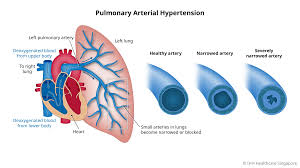
Pulmonary Arterial Hypertension (PAH) is a rare but serious condition that affects the arteries carrying blood from the heart to the lungs. In PAH, these arteries become narrowed, blocked, or destroyed, causing blood pressure in the lungs to rise far above normal levels. Over time, this added pressure makes it harder for the heart to pump blood, leading to heart failure and other complications if left untreated.
In this blog, we’ll explore what PAH is, its causes, symptoms, diagnosis, and how it is managed today.
Pulmonary Arterial Hypertension is a specific type of pulmonary hypertension — a broader term that refers to high blood pressure in the lungs. In PAH, the problem lies directly in the pulmonary arteries themselves. As the walls of these arteries thicken or stiffen, blood flow becomes restricted, and pressure builds up.
This condition primarily affects young and middle-aged adults but can occur at any age. Without treatment, PAH progressively worsens and can become life-threatening.
Causes of PAH
PAH can occur without a clear cause (idiopathic PAH) or in association with other diseases and risk factors. Common causes include:
- Genetic mutations: Some individuals inherit genetic changes that predispose them to PAH.
- Connective tissue diseases: Conditions like systemic sclerosis or lupus can lead to PAH.
- Congenital heart disease: Heart defects present at birth may affect the pulmonary arteries.
- Certain medications or toxins: Appetite suppressants, methamphetamines, and other drugs have been linked to PAH.
- HIV infection: PAH is a known complication of HIV.
- Chronic liver disease: Especially in cases of portal hypertension.
- Schistosomiasis: A parasitic infection prevalent in some parts of the world can also cause PAH.
In many cases, no clear reason is found, highlighting the complex nature of the disease.
Symptoms of Pulmonary Arterial Hypertension
Symptoms of PAH often develop gradually and may not be obvious at first. Common signs include:
- Shortness of breath: Especially during physical activity.
- Fatigue: Feeling unusually tired with minimal exertion.
- Chest pain or pressure
- Swelling in the ankles, legs, or abdomen (edema)
- Dizziness or fainting spells (syncope)
- Heart palpitations
Because these symptoms can mimic other heart and lung conditions, PAH is often misdiagnosed early on.
How is PAH Diagnosed?
Diagnosing PAH requires a thorough evaluation to rule out other causes of pulmonary hypertension and to confirm the diagnosis. The diagnostic process may include:
- Echocardiogram: A non-invasive ultrasound of the heart that can estimate pressures in the pulmonary arteries.
- Right heart catheterization: The gold standard for diagnosing PAH, this procedure measures the exact pressure in the pulmonary arteries.
- Pulmonary function tests: To assess lung health.
- Blood tests: To check for underlying diseases like connective tissue disorders or HIV.
- Imaging studies: CT scans or MRIs to view the structure of the heart and lungs.
Early and accurate diagnosis is key to managing the disease effectively.
Treatment Options for PAH
While there is no cure for PAH, treatments can significantly improve symptoms, slow disease progression, and enhance quality of life. Management strategies include:
1. Medications
- Vasodilators: Drugs like epoprostenol, treprostinil, and iloprost help open narrowed blood vessels.
- Endothelin receptor antagonists: Such as bosentan and ambrisentan, block substances that constrict blood vessels.
- Phosphodiesterase-5 inhibitors: Medications like sildenafil and tadalafil help relax pulmonary vessels and improve blood flow.
- Soluble guanylate cyclase stimulators: Such as riociguat, which also help relax pulmonary arteries.
- Anticoagulants: To prevent blood clots, which are more common in people with PAH.
- Diuretics: Help reduce fluid buildup in the body.
2. Lifestyle Changes
- Low-salt diet: To help manage fluid retention.
- Moderate exercise: Supervised physical activity can improve endurance.
- Oxygen therapy: For those with low blood oxygen levels.
3. Advanced Therapies
- Lung transplantation: Considered for individuals with advanced PAH who do not respond to medical treatment.
4. Supportive Care
- Emotional support, patient education, and regular monitoring play essential roles in managing the condition.
Living with PAH
Living with Pulmonary Arterial Hypertension can be challenging, but many people manage their symptoms successfully with the right treatment plan and support system. Patients are encouraged to:
- Follow prescribed treatments closely.
- Maintain regular follow-up appointments with their healthcare team.
- Listen to their bodies and rest when needed.
- Seek support from patient organizations or counseling services.
Education and emotional support can greatly enhance the quality of life for patients and their families.
Conclusion
Pulmonary Arterial Hypertension is a serious and complex disease, but advances in medical treatment offer hope and improved outcomes for many patients. Early diagnosis, a tailored treatment plan, and lifestyle modifications can help manage symptoms and slow the disease’s progression.
The list of some Pulmonary Arterial Hypertension medicine:
- lucimaci