
Blog
What Is Mood Disorders?

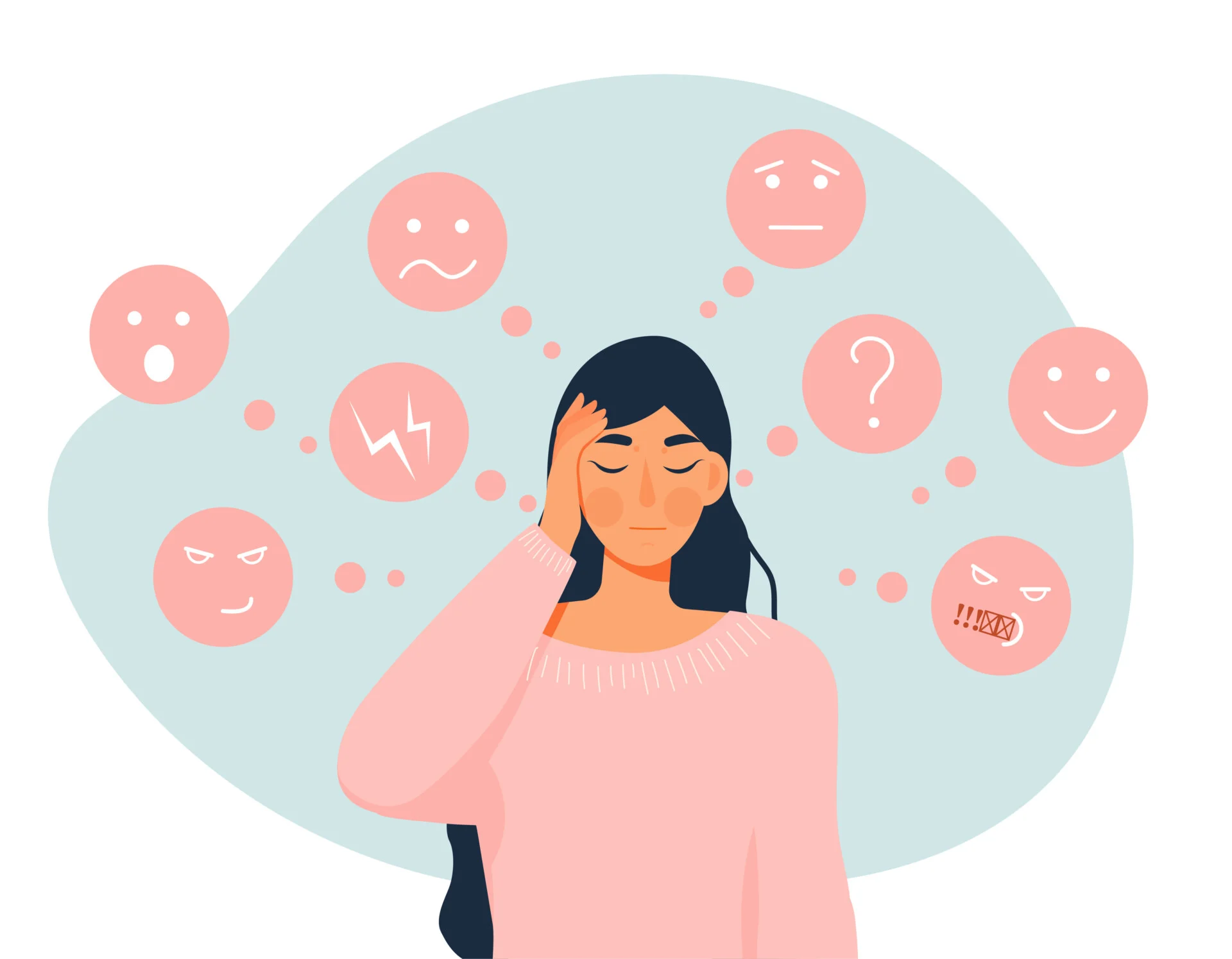
Mood disorders are among the most common and disruptive mental health conditions, affecting how people feel, think, and function in their daily lives. Everyone experiences emotional highs and lows, but for individuals with mood disorders, these shifts are more intense, persistent, and often interfere with relationships, work, and personal well-being.
As understanding and awareness of mental health grow, it becomes crucial to explore what mood disorders are, how they affect people, and the ways they can be managed or treated.
Mood disorders are a group of mental health conditions characterized by disturbances in a person’s emotional state. These disturbances can involve periods of intense sadness, elevated mood, or a combination of both. Unlike temporary feelings triggered by life’s ups and downs, mood disorders are long-lasting and often require professional treatment.
They can affect people of all ages and backgrounds and may emerge due to a mix of biological, psychological, and environmental factors.
Types of Mood Disorders
Mood disorders come in several forms, each with distinct features. The most commonly diagnosed include:
🌧️ Major Depressive Disorder (MDD)
Also known as clinical depression, MDD is characterized by:
Persistent sadness or emptiness
Loss of interest in activities once enjoyed
Fatigue and low energy
Difficulty concentrating or making decisions
Feelings of guilt or worthlessness
Sleep and appetite changes
Thoughts of death or suicide
🔄 Bipolar Disorder
This disorder involves extreme mood swings that include:
Mania: Elevated mood, increased energy, impulsive behavior, and reduced need for sleep
Depression: Symptoms similar to major depression Bipolar disorder can vary in intensity, with types such as Bipolar I, Bipolar II, and Cyclothymic Disorder.
😐 Dysthymia (Persistent Depressive Disorder)
A milder but more chronic form of depression, dysthymia involves:
A gloomy mood lasting two years or longer
Low self-esteem and feelings of hopelessness
Ongoing fatigue and lack of motivation
🎭 Seasonal Affective Disorder (SAD)
Triggered by changes in seasons, especially in winter months, SAD leads to:
Low mood
Fatigue
Increased sleep and appetite
Social withdrawal
Causes and Risk Factors
Mood disorders often result from a complex combination of factors, such as:
Genetics: A family history of mood disorders increases risk
Brain chemistry: Imbalances in neurotransmitters like serotonin, dopamine, and norepinephrine
Trauma and stress: Past abuse, loss, or major life changes can trigger symptoms
Medical conditions: Chronic illnesses or hormonal changes may contribute
Substance use: Alcohol or drug misuse can worsen mood symptoms
Symptoms to Watch For
Mood disorders can affect thoughts, behaviors, and physical health. Common warning signs include:
Persistent sadness or irritability
Sudden mood changes or emotional outbursts
Excessive energy or restlessness
Loss of interest in daily activities
Trouble sleeping or sleeping too much
Poor appetite or overeating
Difficulty concentrating
Isolation from others
Feelings of hopelessness or suicidal thoughts
If these symptoms last more than two weeks or interfere with daily life, professional help is essential.
Diagnosis and Treatment
Mood disorders are diagnosed through clinical interviews, behavioral assessments, and sometimes physical exams to rule out underlying health issues.
Treatment options may include:
💊 Medication
Antidepressants
Mood stabilizers
Antipsychotic medications (in bipolar disorder)
🧠 Psychotherapy
Cognitive Behavioral Therapy (CBT): Helps individuals change negative thought patterns
Interpersonal Therapy (IPT): Focuses on improving relationships and communication
Family therapy: Involves loved ones in the healing process
🌱 Lifestyle Modifications
Regular exercise
Balanced diet
Mindfulness and stress management techniques
Consistent sleep schedule
🏥 Hospitalization
In cases of severe symptoms or risk of self-harm, short-term hospital stays may be necessary
Living With a Mood Disorder
While mood disorders can be overwhelming, they are treatable. Many people with these conditions go on to lead full and productive lives. Key to recovery is early intervention, a strong support system, and ongoing care.
Reducing stigma and encouraging open conversations around emotional health can help people seek help without shame or fear.
Conclusion
Mood disorders affect millions of people around the world, yet they often go unnoticed or untreated due to misunderstanding and stigma. Recognizing the signs, understanding the types, and knowing that help is available are crucial steps toward healing.
Emotional well-being is just as important as physical health, and by prioritizing mental health, we can build a more compassionate and resilient society.
The list of some Mood Disorders medicine: