Blog
What is Angina?

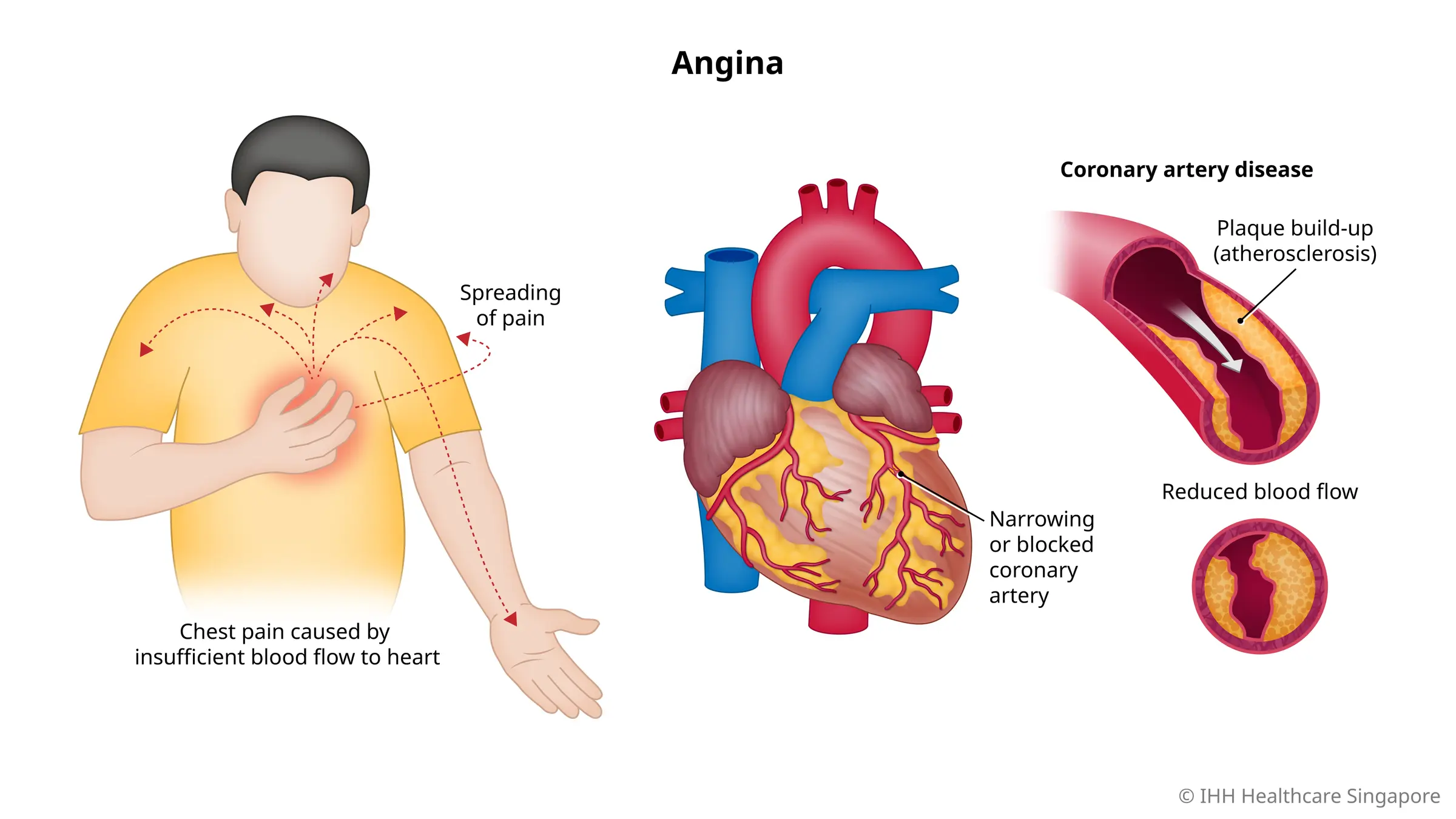
Angina is one of the most recognizable warning signs that the heart is not getting enough oxygen-rich blood. Although it is not a disease itself, angina is a symptom of an underlying heart problem, most often coronary artery disease (CAD). Recognizing and addressing angina early can help prevent more serious conditions like heart attacks.
In this blog, we’ll explore what angina is, its different types, symptoms to watch for, and ways to manage and prevent it.
Angina refers to chest pain or discomfort that occurs when the heart muscle does not receive enough oxygenated blood. It typically feels like pressure, squeezing, heaviness, or tightness in the chest. Some people may also experience discomfort in the shoulders, arms, neck, jaw, or back.
While angina can be alarming, it is often a manageable condition. It serves as a crucial signal that something isn’t right with your heart’s blood supply and demands prompt attention.
Types of Angina
There are several different types of angina, each with unique features:
1. Stable Angina
- The most common form.
- Triggered by physical exertion or emotional stress.
- Predictable and usually lasts a few minutes.
- Relieved by rest or medication (like nitroglycerin).
2. Unstable Angina
- Occurs unexpectedly, even at rest.
- More severe and lasts longer than stable angina.
- A medical emergency, as it may signal an impending heart attack.
3. Variant (Prinzmetal’s) Angina
- Caused by spasms in the coronary arteries.
- Often occurs at rest, sometimes during the night or early morning.
- Can be relieved by medication but requires thorough evaluation.
4. Microvascular Angina
- Involves the small arteries of the heart rather than the major coronary arteries.
- Pain may last longer than other forms and can be more difficult to treat.
Understanding which type of angina you have is essential for appropriate management.
Symptoms of Angina
Symptoms may vary, but common signs include:
- Chest pain or discomfort
- Pressure or squeezing sensation in the chest
- Pain radiating to arms, neck, jaw, shoulder, or back
- Shortness of breath
- Nausea
- Fatigue
- Sweating
- Dizziness
Women, in particular, may experience angina differently, often reporting nausea, shortness of breath, or abdominal discomfort rather than classic chest pain.
Causes and Risk Factors
The primary cause of angina is reduced blood flow to the heart muscle due to coronary artery disease. Risk factors that contribute to the development of CAD and angina include:
- High blood pressure
- High cholesterol levels
- Smoking
- Diabetes
- Obesity
- Sedentary lifestyle
- Unhealthy diet
- Family history of heart disease
- Stress
Controlling these risk factors plays a crucial role in managing and preventing angina.
Diagnosis
Diagnosing angina involves a careful evaluation of symptoms, medical history, and tests such as:
- Electrocardiogram (ECG/EKG): Measures the heart’s electrical activity and can detect heart problems.
- Stress testing: Monitors the heart’s performance during physical exertion.
- Echocardiogram: Uses ultrasound to create images of the heart.
- Coronary angiography: A special X-ray to see blockages in the heart’s arteries.
- Blood tests: To check for markers of heart damage or risk factors like cholesterol levels.
Early and accurate diagnosis is critical to preventing complications.
Treatment Options
Treatment for angina focuses on reducing symptoms, improving quality of life, and preventing heart attacks. Approaches include:
- Lifestyle changes: Adopting a heart-healthy diet, exercising regularly, quitting smoking, and managing stress.
- Medications: Such as nitrates (to relax blood vessels), beta-blockers, calcium channel blockers, statins, and antiplatelet drugs.
- Medical procedures: In some cases, procedures like angioplasty (to open blocked arteries) or coronary artery bypass surgery (to reroute blood flow) may be necessary.
A personalized treatment plan developed by a healthcare provider offers the best protection against future heart problems.
Preventing Angina
Prevention focuses on minimizing the risk of coronary artery disease. Effective strategies include:
- Eating a balanced, low-fat diet rich in fruits, vegetables, and whole grains.
- Exercising at least 150 minutes per week.
- Maintaining a healthy weight.
- Managing chronic conditions like hypertension, diabetes, and high cholesterol.
- Avoiding tobacco products and limiting alcohol consumption.
- Controlling stress through relaxation techniques, counseling, or hobbies.
Prevention is not just about avoiding angina but about fostering a healthy heart and a vibrant life.
Final Thoughts
Angina is a serious warning sign that your heart needs attention. While it can be frightening, it is also an opportunity—a chance to intervene, make healthier choices, and protect yourself from life-threatening events like heart attacks.
Understanding angina, recognizing its symptoms, and working with your healthcare team for effective management can make a world of difference. Your heart is at the center of everything you do—taking care of it is one of the most important investments you can make. If you experience chest pain or discomfort, don’t wait. Seek medical help immediately. It’s better to be cautious when it comes to matters of the heart.
The list of some Angina medicine:
Adalat Crono