
Blog
What is Neuropsychiatric Disorders?

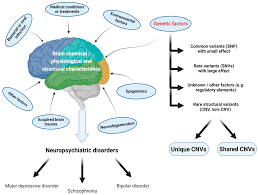
Neuropsychiatric disorders represent a complex intersection between neurology and psychiatry, involving conditions that affect both brain function and mental health. These disorders can profoundly impact cognition, behavior, emotion, and even physical health, making them a critical focus area in medicine today.
In this blog, we will explore what neuropsychiatric disorders are, common examples, their causes, and approaches to diagnosis and treatment.
Neuropsychiatric disorders are a broad category of medical conditions that arise from dysfunctions in the nervous system and manifest primarily as psychological or behavioral symptoms. Unlike traditional psychiatric disorders, which are often seen as purely mental or emotional, neuropsychiatric disorders have a clear neurological basis—whether structural, biochemical, or functional abnormalities in the brain.
These conditions highlight the deep connection between the brain’s physical state and mental health.
Common Neuropsychiatric Disorders
There is a wide range of neuropsychiatric conditions, each with its own set of symptoms and challenges. Some of the more recognized disorders include:
- Alzheimer’s Disease and Other Dementias: Characterized by memory loss, cognitive decline, and changes in behavior and personality.
- Parkinson’s Disease: Often associated with motor symptoms but also linked to depression, anxiety, and cognitive changes.
- Epilepsy: Seizures are the hallmark, but mood disorders, psychosis, and cognitive impairments are also common.
- Traumatic Brain Injury (TBI): Can lead to emotional instability, depression, memory problems, and personality changes.
- Autism Spectrum Disorder (ASD): A developmental disorder that affects communication, behavior, and social interactions.
- Attention-Deficit/Hyperactivity Disorder (ADHD): Involves inattention, hyperactivity, and impulsivity, and has both neurological and behavioral elements.
- Obsessive-Compulsive Disorder (OCD): Linked to abnormalities in brain circuits involved in emotion and behavior regulation.
- Schizophrenia: Although primarily categorized as a psychiatric disorder, evidence shows significant neurological involvement.
Causes and Risk Factors
Neuropsychiatric disorders arise from a combination of genetic, biological, environmental, and psychological factors. Some common contributors include:
- Genetics: Family history plays a significant role in many neuropsychiatric conditions.
- Brain Injury: Trauma to the brain can trigger neuropsychiatric symptoms.
- Neurodegeneration: Progressive loss of neurons, as seen in Alzheimer’s or Parkinson’s disease, leads to mental and emotional symptoms.
- Infections: Certain infections like HIV or syphilis can impact the brain and lead to psychiatric manifestations.
- Environmental Stressors: Early life stress, trauma, and chronic stress can interact with genetic vulnerabilities to increase risk.
- Substance Abuse: Long-term use of alcohol, drugs, or certain medications can cause neuropsychiatric issues.
Understanding the exact cause can be challenging, as many disorders result from a complex interplay of multiple factors.
Symptoms of Neuropsychiatric Disorders
The symptoms vary widely depending on the specific condition but often include:
- Changes in mood (depression, anxiety, irritability)
- Cognitive impairments (memory loss, poor concentration)
- Behavioral changes (aggression, compulsivity, withdrawal)
- Psychotic symptoms (hallucinations, delusions)
- Movement disorders (tremors, rigidity)
- Sleep disturbances
- Social difficulties
Because symptoms overlap with both psychiatric and neurological conditions, accurate diagnosis requires careful evaluation.
Diagnosis
Diagnosing neuropsychiatric disorders typically involves a combination of:
- Medical History and Physical Examination: Understanding symptoms, their progression, and any associated medical conditions.
- Neuroimaging: MRI, CT scans, or PET scans can reveal structural or functional abnormalities in the brain.
- Neuropsychological Testing: Comprehensive cognitive and psychological assessments help pinpoint deficits.
- Laboratory Tests: Blood tests may rule out metabolic or infectious causes.
- Psychiatric Evaluation: Assessment of mood, thought patterns, and behavior.
Early and accurate diagnosis is essential, as it enables timely intervention and can significantly improve outcomes.
Treatment Approaches
Treatment for neuropsychiatric disorders is often multidisciplinary, combining medical, psychological, and social strategies:
1. Medications
Depending on the condition, treatment may involve:
- Antidepressants
- Antipsychotics
- Mood stabilizers
- Anti-anxiety medications
- Medications targeting cognitive symptoms (e.g., cholinesterase inhibitors for dementia)
2. Psychotherapy
Cognitive-behavioral therapy (CBT), supportive therapy, or specialized interventions for specific disorders can help manage symptoms.
3. Rehabilitation Therapies
Physical, occupational, and speech therapy are often crucial, especially in cases involving cognitive or motor impairments.
4. Lifestyle Modifications
Exercise, a balanced diet, stress management, and social engagement play a vital role in overall brain health and symptom control.
5. Support Systems
Family education, community resources, and peer support can make a huge difference in coping and recovery.
6. Emerging Therapies
Innovations like deep brain stimulation (DBS), transcranial magnetic stimulation (TMS), and gene therapy offer promising new avenues for treatment.
The Importance of Early Intervention
Delays in recognizing and treating neuropsychiatric disorders can lead to significant deterioration in quality of life. Early intervention can slow disease progression, improve symptom management, and enhance functional outcomes. Raising awareness about the early signs and encouraging open conversations about mental and brain health are critical steps forward.
Conclusion
Neuropsychiatric disorders occupy a unique and challenging space at the crossroads of neurology and psychiatry. They remind us that the mind and brain are intricately connected, and disruptions in one inevitably affect the other.
While these conditions can be life-altering, advancements in research, diagnosis, and treatment offer hope. With early detection, multidisciplinary care, and continued support, individuals affected by neuropsychiatric disorders can lead fulfilling and meaningful lives.
The list of some Neuropsychiatric Disorders medicine: